Chinese
2019年工业互联网将从三个“CM”发力
- 23-Aug-Fri
- Views:1508
中美德工业互联网各具特色
当前,网络化的信息空间和现实化的物理空间可共同组成协同空间,未来制造业也将通过工业互联网进入虚实交互的协同制造时代。在工业互联网方面,美国推动以企业为主体,GE联合思科、IBM等组建工业互联网联盟,旨在推动美国新一轮产业升级,关注工厂物联、智能设备、智能数据和智能决策四个重点领域。也就是说,传统的自动化时代的数采数控(PLC数据采集和数控机床等数字化控制),将向预测决策(预测性维护和基于大数据的智能决策)发展。
德国推动的工业4.0本质上也是互联网+先进制造业,主要是以行业组织为主体,牵头德国行业巨头,一起推动德国的新一轮产业升级,主要目的是为建设智能工厂和智能制造。
我国主要以政府为主体,通过深入实施工业互联网创新发展战略,推动实体经济与数字经济深度融合,实现新旧动能转换,既带动传统产业转型升级,又发展了新经济和新业态。相对于美国的工业互联网和德国的工业4.0而言,我国的工业互联网体系更加全面——不仅是工厂互联或者智能工厂,更是从核心技术到产业生态,从底层网络到应用平台,从追踪溯源到网络安全,涵盖了产业全流程。
工业互联网发展优势与挑战
毫无疑问,互联网已经进入到下半场的竞争,以“算法、算力和数据”为成长动力,目标群体不再是消费者,而是各行各业的企业。随着“万物互联”成为可能,互联网也从“消费互联网”转入**、更深层次的工业互联网。2018年5月,腾讯云正式发布基于大数据应用的工业互联网平台,推动制造业数字化、智能化发展,助力传统制造业数字化升级;8月1日,阿里云发布ET工业大脑开放平台,基于该平台,合作伙伴可以轻松实现工业数据的采集、分析与建模,并且快速构建智能应用;9月,腾讯再次宣布战略升级,希望拥抱工业互联网,成为各行各业的“数字化助手”。
我国大规模推进工业互联网的优势在于两方面。一方面,企业积极性强,更有富士康工业互联网公司上市给业界很大鼓舞;另一方面,有国家政策大力扶持和推动,给业界很大信心。但是业界普遍认为,发展工业互联网依然面临很多挑战,难点集中在标准化、复杂系统的管理、健壮性通信基础设施建设和网络安全保障等四个方面。
**,标准化方面。工业互联网要对工厂内外的各种物品与服务进行联网,那么,通信方式、数据格式等许多内容都需要标准化。如今,在国际标准化舞台上,美国、德国、日本等发达国家之所以能够长期保持主导地位,是因为强大的制造业综合实力,而我国目前在国际标准化舞台上仍然扮演“听众”角色,侧面反映了我国制造业整体水平与国外存在差距。我国制造业在产品设计和生产流程控制方面一直比较薄弱,缺少标准化,更缺少国际标准化的思维。
第二,复杂的系统管理方面。实际生产过程与各种业务管理系统网络协同之后,系统整体更加复杂化,对其进行管理将更困难。
第三,健壮性通信基础设施建设方面。主要是指适用于工业的、具有高可靠性的通信基础设施建设。当然,这方面,中国电信新疆公司已有很多布局。6月初,中国电信展开了工业互联网新疆基地的揭牌活动。
第四,网络安全保障方面。工业互联网时代,工厂与外界实现联网之后,恶意软件的入侵、受到网络攻击的危险性将进一步提升,对网络安全对策与解决方案的需求将更加旺盛。
工业互联网最新进展
通常,工业互联网被认为可以分为四大部分——网络、标识、平台和安全。工信部11月发布《2018年工业互联网试点示范项目名单》,来自工业互联网网络、标识解析、平台、安全等四个方面的72个项目榜上有名。其中,平台是核心,被看做是“工业操作系统”,工业互联网平台因此成为投资热点,许多主要制造业的企业都争先推出工业互联网平台,抢占未来工业互联网先机。40个平台集成创新应用试点示范项目涉及15家上市公司,分别为东方国信、冀东水泥、东软集团、鞍钢股份、华域汽车、红豆股份、中天科技、青岛海尔、浪潮软件、中信重工、三一重工、白云电器、美的集团、工业富联、特变电工。
在工业互联网发展壮大过程中,各行业老牌企业是**主角。推出各自的工业互联网平台只是**步,接下来还要看这些企业如何发挥各自专长,在产业互联网打造各自的产业新生态。这里,个人比较看好工业富联(全称为富士康工业互联网股份有限公司)。
一是工业富联自身有“工业互联”的需求。工厂遍布深圳、昆山、太原、郑州、成都、重庆和贵阳等多处,通过工业互联网平台,实现网络协同制造。工厂间通过价值链以及信息网络实现的资源信息共享与资源整合,能够确保工厂间的无缝合作,形成提供实时产品与服务的机制。工业互联网的价值也主要体现在空间跨度上,实现从工厂的集成到工厂间的集成,走向工厂间产业链、企业集团甚至跨国集团这种基于工业互联网的集成,将会产生新的价值链和商业模式的创新。
二是工业富联有长期的智能制造摸索基础。富士康的自动化程度属于较高水平。在一定程度上,富士康已经将包括生产设备、工厂工人、业务管理系统和生产设施在内的各种生产资源,组合成一个闭环网络,进而通过物联网和系统服务应用,实现贯穿整个智能产品和系统价值链网络的横向、纵向链接和端对端的数字化集成,从而提高生产效率,实现智能工厂。通过智能工厂制造系统在分散价值网络上的横向连接,就可以在产品开发、生产、销售、物流、服务过程中,借助软件和网络的监测、交流沟通,根据最新情况,灵活、实时地调整生产调度,而不再是完全遵照几个月或者几年前的计划。这方面,富士康已有过许多尝试,具备了实现工业互联网的基础。
未来发展应从三个“CM”入手
当然,国家政策有了,给产业界未来指明的方向也有了。随之,未来几年必然会有大规模政策扶持。但是技术的方向研究,尤其是在工业互联网的理论创新和产业研究方面,个人觉得还不够。笔者认为,行业和企业发力工业互联网要从三个CM入手。
CM(Concurrent Manufacturing,并行制造),指的是制造业的各个工艺流程都将并行化、透明化、扁平化,实现真正意义上的智能制造。并行化的智能制造过程将通过利用网络世界海量的数据和信息资源,突破物理世界资源有限的约束。这样一来,可以一边设计研发,一边采购原材料零部件,一边组织生产制造,一边开展市场营销,从而降低了运营成本,提升生产效率,缩短产品生产周期,也减少能源使用。
CM(Cloud Manufacturing,云制造),简单地说是一种基于泛在网络,实现互联化、服务化、个性化的一种制造新模式和新手段,将线下的资源(零部件、生产车间、生产设备、资本以及工人等)整合到线上,吸引价值链上下游的不同企业广泛参与到设计、生产、服务等环节中来,实现各种资源的共享与互补。
C2M(Customer-to-Manufactory,顾客对工厂)是围绕消费者的一种商业模式,以消费者为中心,凭借提供自己的标准化模块供消费者选择性地组合,是一种“拉动式”的供应链体系,借工业互联网平台,形成对全球行业链的带动引领能力,然后通过智能制造实现多品种定制化的快速生产。
2019年行业面临细分化趋势
目前工业互联网还没有成熟的架构和大场景支撑,即使是德国西门子、美国GE等公司也还只处于架构和尝试阶段。实际上,工业富联发展当前的确面临一些困境,这也是全球工业互联网平台发展的一个缩影,反映了打造工业互联网平台的艰巨性。
转型升级之路并没有那么简单,工业互联网只是一个工具,未来如何落实?工业互联网还将遇到哪些新问题?这些都还有待时间的检验。
首先,2019年行业细分化趋势会越来越明显。此前,三一重工、徐工等行业龙头已经推出了行业级的工业互联网大数据平台,收集各自所处领域的大数据,面向垂直领域的工业互联网平台将会率先突破,得到用户认可。其次是工业APP将应运壮大。有了平台,自然就会衍生出生态。就像苹果公司通过App Store提供基于iOS平台使用的诸多APP下载、基于Google Android平台的诸多APP等服务。
未来,随着工业互联网平台架构的成熟、API接口的进一步开放,工业APP也将迅猛发展。传统架构的工业软件是嵌入式软件与非嵌入式软件,以单机版软件为主且大多数局限在工厂内部,而工业APP是新型架构基于工业互联网平台的工业应用软件。相较原本相对“固化”的工业软件,工业APP将打破体系结构,诞生新的业态和生态,提供新的商业模式和服务。
- News
- related news
-
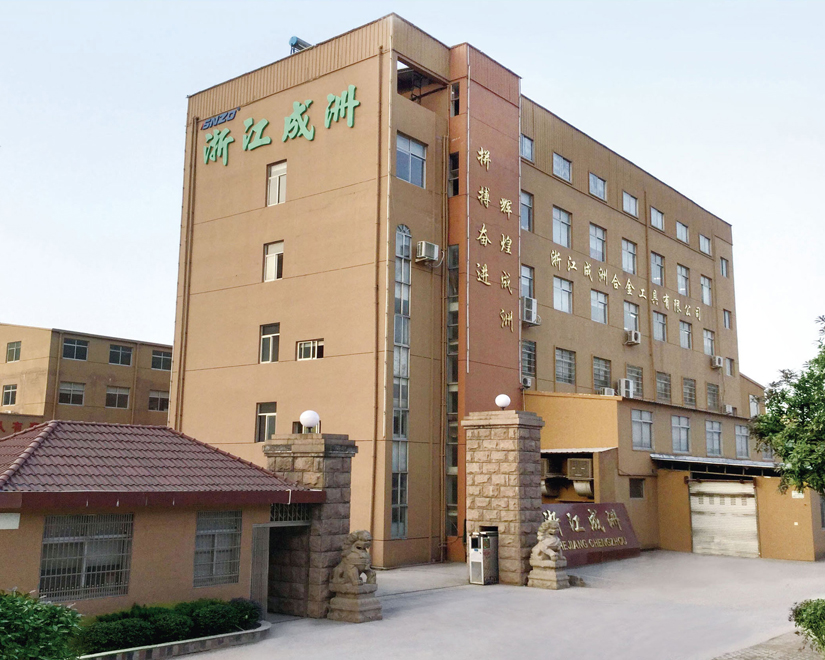
Warm congratulations, Zhejiang Chengzhou Alloy Tools Co., Ltd. website is fully online!
Warm congratulations, Zhejiang Chengzhou Alloy Tools Co., Ltd. website is fully online!
-

Supplier of large diameter stainless steel, iron-nickel based corrosion resistant alloy pipe blanks
In 2009, the company passed ISO9001-2008 quality management system certification, with perfect quality control system, is Zhejiang Huzhou Yongxing Special Stainless Steel Co., LTD., Zhejiang Jiuli Group Co., LTD. Qualified supplier, is the only supplier of large diameter stainless steel, iron nickel based corrosion resistant alloy pipe blank, and passed the pressure vessel and Norway Marine pipe blank certification. As a member of China Forging Association Shanghai Forging Association, the company has more than 200 domestic and foreign users. The company has always adhered to the "quality of survival, quality of development, quality to benefit" quality policy, dedicated to our customers.
-
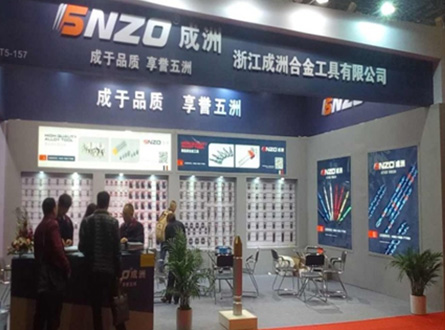
Always active in all kinds of hardware tools exhibitions at home and abroad
Always active in all kinds of hardware tools exhibitions at home and abroad
-

Marine large caliber stainless steel pipe billet supplier certification
On June 4, Huzhou Yongxing Special Steel and the Norwegian Classification Society five people, according to the Norwegian classification Society factory certification requirements, the company's human resources composition, equipment assurance ability, process conditions confirmation, product inspection and other management system elements were audited, the audit team believes that: Quality management system runs effectively, agreed to be Huzhou Yongxing Special Steel Marine large caliber stainless steel pipe billet qualified supplier.
-

Domestic industrial robot dilemma: absence of core components
The lack of core components is the dilemma and key of domestic industrial robots, which makes China's industrial robots carry a heavy burden from birth and are in a dilemma.In China, industrial robots have a large application market, as early as 2014, Wang Ruixiang, then president of the China Machinery Industry Federation, said that China has become the world's largest industrial robot market.However, according to China's industrial robot market share in 2017, the current domestic robot market is still Japan Fanuc, Yaskawa, Germany Kuka, Sweden abb "four families" firmly controlled in the hands, domestic robots only 32.8% of the market share. And most of these competitions are still concentrated in the low-end areas, high-end areas of domestic industrial robots, even less than 5% of the market share. It can be seen that compared with international counterparts, domestic robot enterprises in the domestic and international market share is not high, the technical level is still a large gap, the entire country's robot technology and industry status quo, is not optimistic.Why are domestic robots in such an awkward situation?Many robot manufacturers react, the main problem of domestic robots is that the core components can only be imported, the cost can not be reduced, and it is difficult to form mass production, even if the robot is successfully sold, the important components are from imports, only a small number of enterprises have the ability to achieve independent research and development of a certain type of component, resulting in the need to sell more expensive than foreign products. Create a vicious circle in the market.The lack of core components is the dilemma and key of domestic industrial robots, which makes China's industrial robots carry a heavy burden from birth and are in a dilemma.In general, industrial robots have three main parts, which are reducer, controller and servo system. In most robot products, these three accounts for more than half of the total cost of robots. Robot industry research expert Luo Baihui has analyzed that taking a common domestic 50 kg industrial robot as an example, the cost of the reducer, servo motor, and servo drive accounted for 35%, 14%, and 13% respectively.If you think of the robot as a person, the controller is the spine and brain of the robot. A controller with a serial or parallel structure, with a flexible programmable system, used to control a robot or assist a human in completing a task. In comparison, the gap between domestic and foreign countries in this area is the smallest, because the technical difficulty is not large, so some of the more mature robot companies in China are able to independently develop.The reducer is more like the joint of the robot's hands, feet and even the whole body. As the most basic mechanical part, it helps the robot to carry out turnover and call as a whole. The robot reducer is mainly divided into rv reducer and harmonic reducer. At present, 70% of the world's precision reducer market is occupied by Japan's Hamanaco and Nabotsk, especially in China. And foreign brands with good quality high-quality reducer, often spend 2 to 3 times the price in order to purchase. Fortunately, the domestic reducer in the past two years is also vigorously developed, especially competitive. For example, in 2017, the domestic reducer market demand of about 300,000 units, the domestic reducer accounted for about 20% of the market, the demand for foreign reducer also dropped from nearly 85% in 2016 to less than 80%. I believe that in the near future, these two figures will be closer.Practitioners generally believe that the survival environment of domestic robot core components is the most difficult, and the biggest technological gap is the servo motor system. Servo motor is the execution unit of robot and the main factor affecting the performance of robot. The European and American servo overload capability led by Siemens, Rockwell, etc., is strong, and the dynamic performance is good, while the Japanese brands led by Yaskawa Panasonic, etc., account for the small size and the price is cheap; As for the country, although some domestic manufacturers seem to be able to produce servo motors, but the reliability can not meet the requirements, the failure rate is too high, few robot manufacturers dare to use. In China's servo market, Japanese products with more advanced technology and performance occupy nearly 60% of the Chinese market with good cost performance, followed by Europe, the United States and Taiwan, accounting for 20% and 10%, respectively, while the domestic servo motor market share, from 2015 to 2017, only less than 20% of the share.The most important instrument of the state must not be given to others. Let these core components to achieve localization, high-end, increase research and development investment, improve core technical capabilities, etc., is to open up the two arteries of domestic robot problems, crack the key factors of the rise of national robot brands, but also the domestic robot more than 100 difficulties, the only way to rise. Only in this way, domestic industrial robots can reduce manufacturing costs, maintain better stability and brand reputation, and fully improve our market competition rate at home and in the world.